
Common Rodent Entry Points
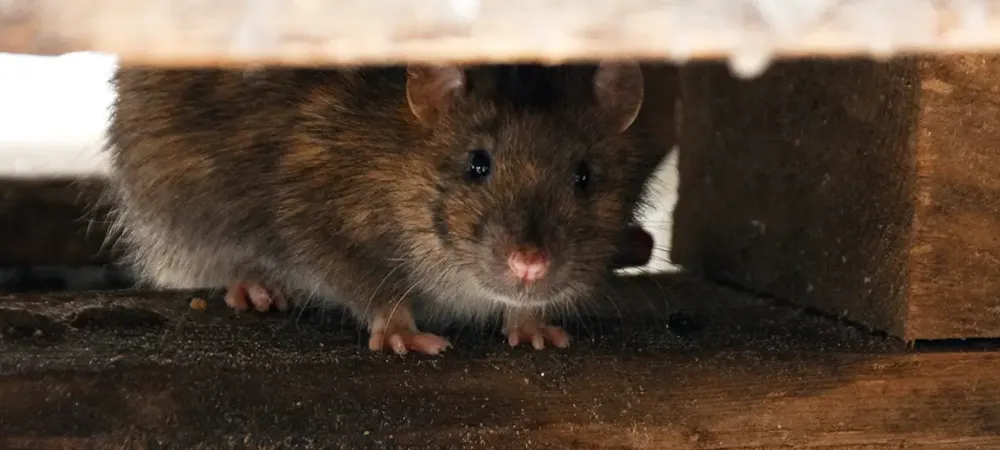
Hearing scratching in the walls or finding droppings in cabinets usually leads homeowners straight to traps. It feels logical. Catch the mouse, solve the problem.
The issue is that traps don’t stop rodents from getting inside. They only remove the ones you see. As long as entry points remain open, new rodents can — and usually do — take their place.
That’s why rodent problems often seem to disappear briefly, then come right back. The activity changes location, but the access never changed.
Why Rodents Move Indoors
Rodents enter homes for three simple reasons: shelter, food, and warmth. Wall voids, attics, and crawl spaces offer protection from weather and predators. Small food sources, even crumbs or pet food, are enough to sustain them. Temperature shifts outside also push rodents to look for more stable indoor environments.
What catches homeowners off guard is how little space rodents need to get inside. Mice can squeeze through openings roughly the size of a coin. If there’s a gap, they’ll find it.
The Most Common Rodent Entry Points
Rodents look for these gaps most aggressively as temperatures drop; see our winter rodent prevention guide for a full seasonal checklist.
Foundation Gaps
Small cracks where the foundation meets siding, brick, or trim are one of the most frequent entry points. These gaps form naturally as homes settle and materials expand and contract.
Once one rodent finds an opening, others often follow the same path.
Utility and Pipe Openings
Where plumbing, electrical lines, or gas lines enter the home, gaps are often left behind or sealed with materials that break down over time.
These areas are especially attractive because they:
- Lead directly into wall voids.
- Are rarely checked after installation.
- Release warm air that rodents can detect from outside.
Garage Doors and Thresholds
Garages are one of the easiest access points for rodents.
Common issues include worn weather stripping, small gaps at the bottom corners of doors, or doors that don’t seal tightly. Once inside the garage, rodents can move into the rest of the home with little resistance.
Roofline, Soffits, and Fascia
Rodents are excellent climbers. They can scale siding, brick, and downspouts to reach the roofline.
Loose fascia boards, damaged soffits, and small construction gaps can provide direct access to attics. This is why attic activity often appears without any obvious ground-level entry points.
Crawl Space Vents and Access Panels
Crawl spaces offer quiet, protected nesting areas. Damaged vent covers, loose access doors, or gaps created during repairs give rodents an easy way in.
Once established in a crawl space, rodents can spread into walls and living areas above.
Why Traps Don’t Fix the Root Problem
Traps are good at removing individual rodents. What they don’t do is prevent replacements.
Rodents reproduce quickly, and open entry points allow new activity to start almost immediately. In many cases, homeowners notice:
- Rodents disappearing in one area and reappearing in another.
- Fewer catches over time as rodents become cautious.
- Ongoing noise despite successful trapping.
This creates a cycle where trapping continues, but the problem never fully ends.
Removal vs Long-Term Control
There’s a difference between removing rodents and controlling them.
Long-term control focuses on:
- Identifying all entry points, not just the obvious ones.
- Sealing gaps with materials rodents can’t chew through.
- Reducing exterior conditions that attract rodents.
- Monitoring for continued activity.
Without addressing access, removal is temporary by nature.
Why Rodent Problems Often Come Back
DIY efforts usually focus on what’s visible. The challenge is that most rodent activity happens out of sight, inside walls, attics, and crawl spaces.
Missing even one entry point can undo all other efforts. Seasonal behavior changes and nearby rodent populations can also cause new activity even after successful trapping.
When rodents “come back,” it’s usually because they never stopped having a way in.
How Professional Service Can Help
When rodent activity shows up in a home, it’s usually a sign that there’s an access point allowing it to happen. Catching rodents can provide short-term relief, but lasting control starts with understanding how they’re getting inside.
That’s where the team here at Midwest Pest Control comes in. Our role is to look beyond what’s visible and identify the underlying reasons rodent problems keep returning. By addressing those access issues with our rodent control service, we help reduce repeat activity and move homeowners out of the cycle of constant trapping.
If rodents keep showing up or the problem never seems fully resolved, taking a broader look at what’s allowing them inside can make a real difference.